

 feedom@haomei-machinery.com
Portable Concrete Mixer and Pump
Posted On: 07/07/2026 | Posted by: Haomei Concrete Pumps
A portable concrete mixer and pump is designed for contractors who need mixing and concrete conveying in one compact machine. Instead of arranging a separate mixer, transfer hopper, and pump, the operator can load raw materials, produce workable concrete, and deliver it directly through pipelines to slabs, foundations, columns, beams, or narrow work areas.
This type of equipment is especially useful where access is limited, labor is tight, or the pour point changes frequently. Modern units focus on compact structure, stable hydraulic performance, easy maintenance, and materials that can withstand abrasive concrete.
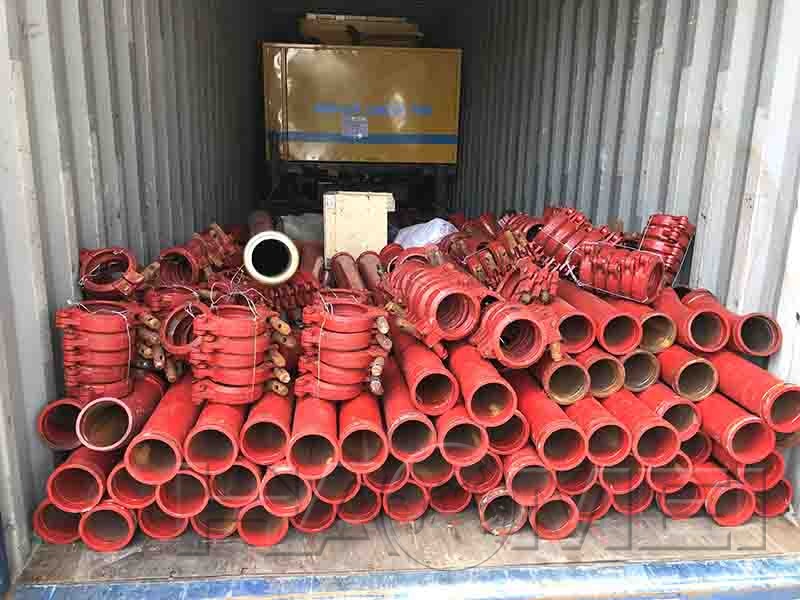
Advanced Design Details That Improve Field Performance
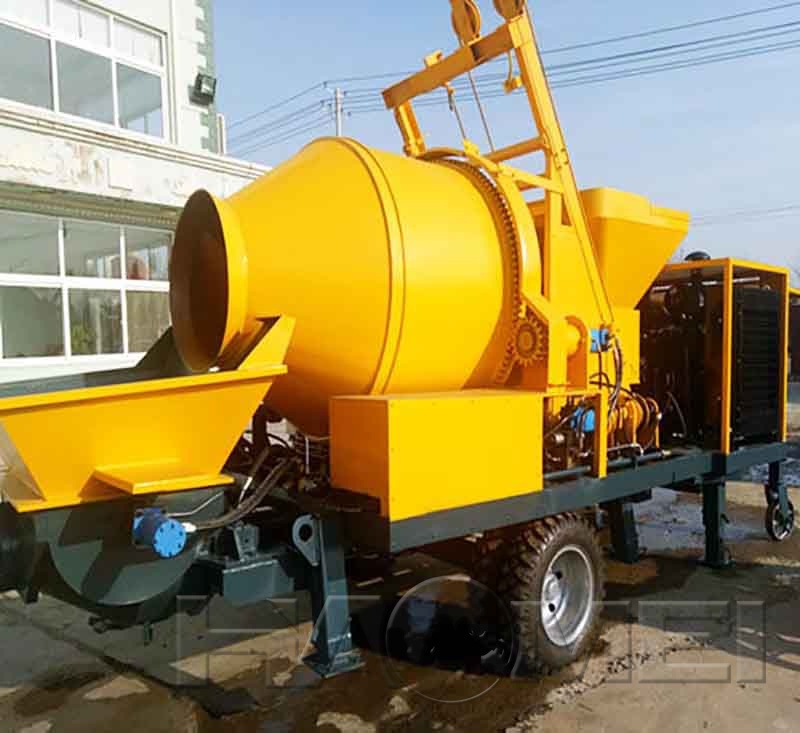
The main design value of this equipment is integration. A mixing drum or forced mixing system feeds a pumping hopper, while the pumping unit pushes concrete through steel pipes or flexible hoses. The result is a shorter material transfer path, which helps reduce segregation and waiting time.
In many modern machines, the mixer is mounted above or beside the hopper, so discharged concrete falls smoothly into the pumping chamber. A hopper screen helps stop oversized stones, cement bags, or debris from entering the pumping system. Inside the hopper, an agitator keeps the mix moving and reduces the risk of stiff concrete settling before each pump stroke.
The pumping mechanism commonly uses hydraulic cylinders to drive concrete pistons. Depending on model configuration, an S-tube valve or similar distribution system switches flow between cylinders and directs concrete into the delivery line. This design is widely used in concrete pumping because it supports continuous output and handles aggregate within the rated size range.
Portability is also built into the structure. A compact chassis, tow bar, support legs, and balanced machine layout make relocation easier between work points. For contractors comparing compact job-site options, the Concrete Mixer And Pump product type is often selected when both mixing and delivery must be handled by one operator team.
Control systems are becoming easier to use. Many units include a centralized electric control cabinet, pressure gauges, emergency stop buttons, hydraulic reversing, and optional remote control depending on configuration. Reversing the pump can help relieve pressure during early blockage symptoms, while clear panel labeling reduces operator mistakes during busy pours.
Materials and Components Chosen for Durability
Concrete is highly abrasive. Sand, stone, cement paste, and water continuously rub against the drum, hopper, valve, pistons, pipes, and elbows. For that reason, material selection has a direct effect on service life and downtime.
Wear plates and cutting rings are often made from high-hardness alloy materials or manganese steel, depending on the machine design. These parts face strong friction during every pumping cycle, so good wear resistance helps maintain sealing performance and stable pumping pressure.
The delivery cylinders and hydraulic rods must resist pressure, heat, and long working hours. Chrome-plated rods, quality seals, and well-machined cylinder surfaces help reduce oil leakage and maintain hydraulic efficiency. Delivery pipes are usually made from wear-resistant steel, while flexible end hoses use reinforced rubber layers to balance strength and movement.
The following table shows common material choices and their practical value:
| Component | Common Material or Structure | Advantage in Operation |
|---|---|---|
| Mixing drum or mixer liner | Wear-resistant steel | Reduces abrasion from sand and aggregate |
| S-tube, wear plate, cutting ring | Alloy steel or manganese steel | Helps maintain pumping pressure and sealing |
| Hydraulic rods | Chrome-plated steel | Improves corrosion resistance and seal life |
| Delivery pipe | Hardened or wear-resistant steel | Extends service life under high-friction flow |
| Electrical cabinet | Sealed metal enclosure | Protects control parts from dust and rain splash |
| End hose | Steel-wire reinforced rubber | Allows flexible placing at the discharge point |
Good materials do not replace maintenance, but they create a stronger base for reliable work. For smaller residential or rural construction tasks, a Small Concrete Mixer and Pump can offer similar material protection in a lighter, easier-to-move structure.
Operating Advantages and Troubleshooting in Daily Work
The first advantage is labor reduction. Workers no longer need to move concrete by wheelbarrow over long distances, up ramps, or through narrow passages. The pump line carries the mix directly to the placement area, which improves speed and reduces physical strain.
The second advantage is better pour continuity. When mixing and pumping are coordinated in one machine, the operator can maintain a steadier rhythm. This is helpful for floor slabs, small bridges, road edges, slope protection, water channels, and building foundations where interruptions can affect surface quality.
The third advantage is flexible site arrangement. The machine can stay in a convenient loading position while hoses reach the placement point. This matters on farms, village roads, basements, courtyards, and renovation sites where a transit mixer truck may not enter easily.
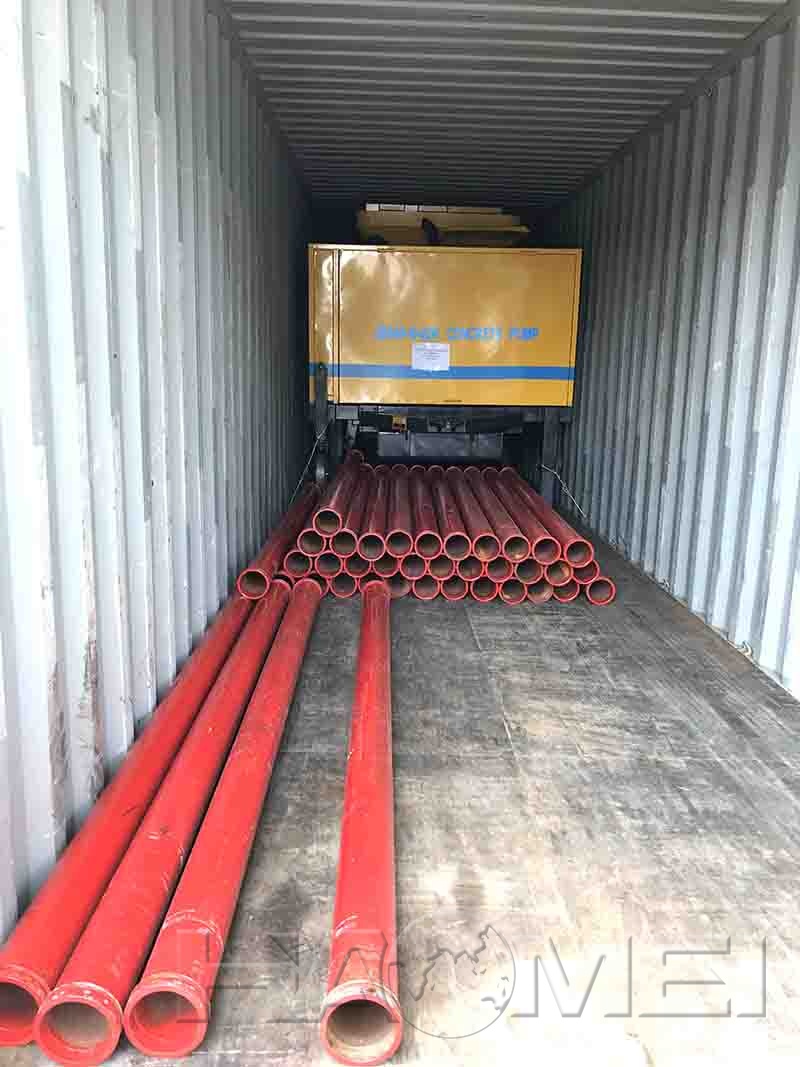
Even strong equipment can face problems if the mix design, operation, or cleaning process is not controlled. Operators should follow the manufacturer manual, use aggregates within the rated size, keep slump within the recommended range, and clean the pipeline before concrete hardens.
| Problem | Likely Cause | Practical Action |
|---|---|---|
| Pipeline blockage | Low slump, oversized aggregate, poor lubrication, long pause during pumping | Stop feeding, reverse pump briefly if allowed, locate blockage, clean pipe safely, restart with proper mortar lubrication |
| Low pumping output | Worn wear plate or cutting ring, low hydraulic pressure, stiff concrete | Check wear parts, inspect hydraulic oil level and pressure, adjust mix workability within project requirements |
| Hydraulic oil overheating | Dirty oil cooler, low oil level, continuous overload, high ambient temperature | Clean cooler, add approved oil, reduce overload, check fan and oil filter condition |
| Mixer discharge is uneven | Dry material buildup, damaged blades, incorrect charging order | Wash mixer after use, inspect blades, load water, cement, sand, and aggregate as instructed by the manual |
| Electric motor or diesel engine fails to start | Power supply fault, weak battery, fuel issue, emergency stop engaged | Check cables, battery, fuel line, breaker, and emergency stop position before calling service |
| Concrete leaks near valve area | Wear ring gap, damaged seal, loose fastening | Inspect sealing parts, tighten bolts to specified torque, replace worn components |
Safe troubleshooting starts with pressure release. Before opening any pipe clamp, the operator should stop the machine, relieve pipeline pressure, and wear protective equipment. Concrete under pressure can discharge suddenly and cause injury.
Daily care is simple but important. Grease lubrication points, check hydraulic oil level, inspect pipe clamps, clean the hopper and mixer, and wash the delivery line immediately after use. Weekly checks should include bolt tightness, hose condition, electrical terminals, wear plate clearance, and the condition of seals. A machine that is cleaned and inspected regularly will pump more smoothly, consume less energy, and reduce unplanned downtime on demanding construction sites.
Original source: https://www.concrete-pump-cn.com/a/portable-concrete-mixer-and-pump.html
Tags: Portable Concrete Mixer and Pump, Concrete Mixer Pump, Concrete Mixing Pump,
Previous: New Concrete Boom Pumps for Sale
Next: Big Concrete Pumps