

 feedom@haomei-machinery.com
Towable Concrete Pump
Posted On: 16/06/2026 | Posted by: Haomei Concrete Pumps
The questions below reflect recurring English-language discussions seen recently on the towable concrete pump for residential slabs, block fill, driveways, footings, and small commercial pours. Let's have a look.
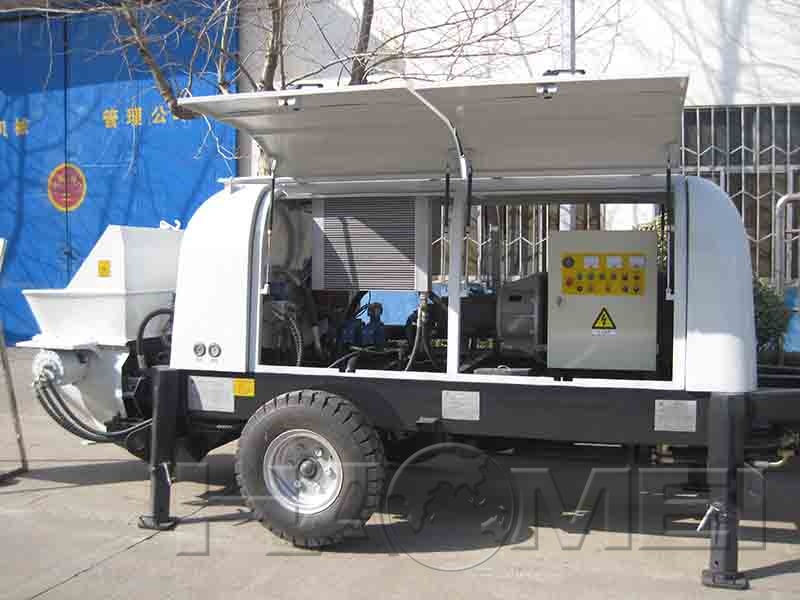
1. Is a towable concrete pump worth it for small jobs?
Yes, a towable concrete pump can be worth it when your work involves frequent pours where wheelbarrows, skid steers, or crane buckets slow the crew down. The strongest use cases are backyard patios, house foundations, retaining walls, pool decks, basement floors, and block filling where direct truck access is limited.
The value is not only speed. A trailer pump can reduce labor fatigue, improve placement control, and help finishers receive concrete at a steadier pace. For smaller contractors, the decision should be based on monthly pour frequency, average hose distance, labor cost, and whether ready-mix trucks often wait on site.
| Job type | Towable pump advantage | When it may not be ideal |
|---|---|---|
| Residential slabs | Fast placement with fewer wheelbarrow trips | Very small pours under 3 cubic yards |
| Block fill | Controlled delivery into cells | Mix must be pumpable and consistent |
| Footings | Easier reach around trenches | Poor site access for trailer setup |
| Pool decks | Less manual hauling around tight areas | Long hose runs need careful planning |
A compact model such as an HBTS40 Towable Concrete Pump is often considered when the goal is practical output without moving into a large high-pressure unit.
2. How much does a towable concrete pump cost in 2026?
Current market pricing varies widely because capacity, engine type, pressure rating, brand, control system, and included accessories all affect the final quote. A small trailer concrete pump may start in the lower five-figure range, while higher-output diesel units with stronger pumping pressure and longer delivery distance can cost much more.
When comparing prices, do not look only at the machine body. Ask what is included: delivery cylinders, S-valve or swing valve design, hydraulic parts, hopper vibrator, remote control, pipe clamps, reducer pipes, rubber hose, wear plates, cutting rings, tool kit, and spare seals.
| Cost item | Why it matters during ownership |
|---|---|
| Pump model and output | Determines how fast concrete can be placed |
| Diesel or electric power | Affects fuel, site power needs, and operating cost |
| Wear parts | Impacts long-term maintenance spending |
| Hose and pipe package | Can add a meaningful amount to the first purchase |
| Training and support | Reduces early operation mistakes |
If your pours require higher output, asking about HBT80 Trailer Concrete Pump Cost can help you compare whether a larger unit gives better productivity for the type of projects you perform most often.
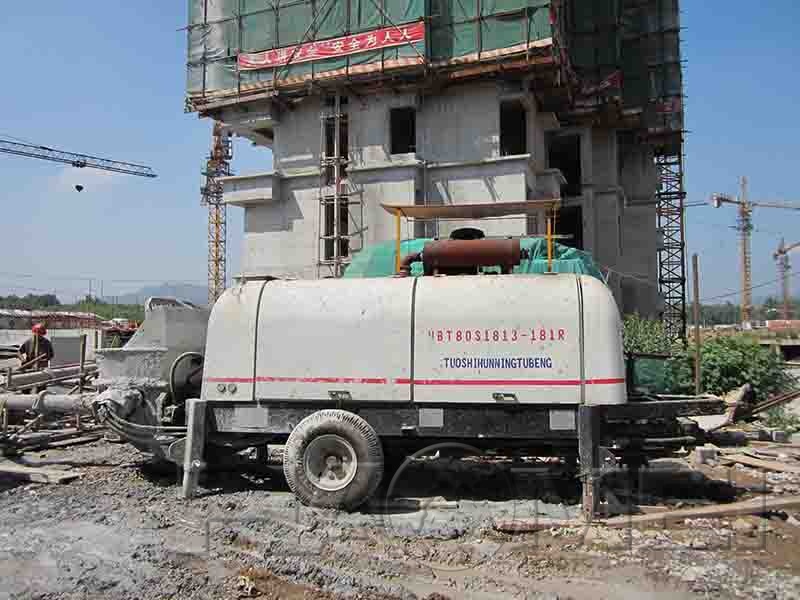
3. What size towable concrete pump do I need?
The right size depends on output demand, aggregate size, hose length, vertical height, slump, and job rhythm. Many first-time owners focus only on cubic yards per hour, but real site performance is usually lower than the rated number because of truck timing, hose movement, crew coordination, cleaning, and mix changes.
For small residential work, a pump in the 30 to 40 cubic meter per hour class can be enough. For foundations, commercial floors, and longer pipeline distance, 60 cubic meters per hour or higher may be more suitable. If you often pump uphill, through long steel lines, or with larger aggregate, pressure becomes as important as output.
| Requirement | Suggested focus |
|---|---|
| Short hose, flat site | Moderate output, simple setup |
| Long horizontal pumping | Higher pressure and stable hydraulic system |
| Vertical pumping | Pressure reserve and correct pipe layout |
| Larger aggregate | Correct cylinder size and valve design |
| Frequent daily use | Stronger cooling and easier maintenance access |
A good rule is to size the pump for your regular work, not your rare largest pour. Oversizing can increase fuel use, cleanup time, towing weight, and wear-part expense. Undersizing can cause slow placement, truck waiting charges, and unhappy crews.
4. Can a pickup truck tow a concrete pump trailer?
Often, yes, but it depends on the pump weight, trailer rating, hitch type, braking system, local road rules, and the towing capacity of the pickup. Many towable concrete pumps are designed for transport by a suitable pickup or light truck, but the full towing weight includes fuel, hydraulic oil, water, spare parts, hoses, pipes, clamps, and any tools stored on the trailer.
Before purchase, check the gross trailer weight, tongue weight, tire rating, axle capacity, and whether electric or hydraulic brakes are fitted. Also consider jobsite movement. A pump that tows acceptably on the road may still be difficult to position in soft soil, narrow alleys, sloped driveways, or muddy access lanes.
Practical towing checks include:
Match the trailer weight with the truck manufacturer's rated towing capacity.
Confirm the hitch class and coupler size.
Check brake lights, safety chains, reflectors, and breakaway brake function.
Keep hose bundles balanced and secured.
Avoid loading extra cement bags, pipe racks, or tools beyond the rated limit.
For companies working in dense urban areas, physical size can matter as much as horsepower. A shorter, lighter pump may save time when parking, reversing, and setting outriggers near traffic or buildings.
5. What mix design works best with a towable concrete pump?
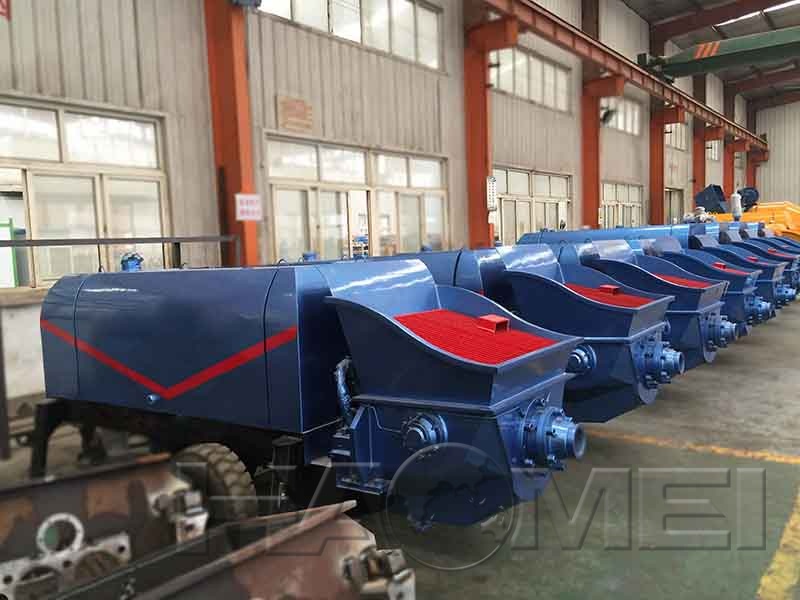
A pumpable mix needs flow, cohesion, and proper aggregate grading. Most pumping issues come from mixes that are too dry, too harsh, poorly graded, or inconsistent from one truck to the next. Adding water at random is not the right fix because it can reduce concrete strength, increase shrinkage, and create finishing problems.
A typical pump-friendly mix uses well-graded aggregate, enough cement paste, suitable sand ratio, and admixtures selected by the ready-mix supplier. Slump requirements vary by project, pump type, hose diameter, and local specifications, but the mix should move smoothly without segregating.
| Mix factor | What to watch |
|---|---|
| Aggregate size | Must match hose diameter and pump capability |
| Sand content | Helps lubrication inside the delivery line |
| Slump | Too low can block; too high can segregate |
| Admixture | Improves workability without uncontrolled water addition |
| Truck consistency | Reduces pressure spikes and line blockage |
Good operation also matters. Prime the line correctly, avoid sharp hose bends, keep communication clear between the pump operator and placing crew, and clean the system immediately after pumping. A towable concrete pump is productive when the machine, mix, and crew process work together.
Original source: https://www.concrete-pump-cn.com/a/towable-concrete-pump.html
Tags: Towable Concrete Pump, Trailer Concrete Pump, Concrete Line Pump, Concrete Pump Cost,
Previous: Trailer Mounted Concrete Pump
Next: Concrete Pump Truck Cost