

 feedom@haomei-machinery.com
Tow Behind Concrete Pump
Posted On: 12/08/2026 | Posted by: Haomei Concrete Pumps
A tow behind concrete pump, also called a trailer pump or concrete line pump, is designed to move concrete through steel or rubber pipeline to hard-to-reach placement areas. Recent English-language Q&A discussions commonly focus on practical matters: pumping distance, concrete mix, production rate, towing, and operating cost.
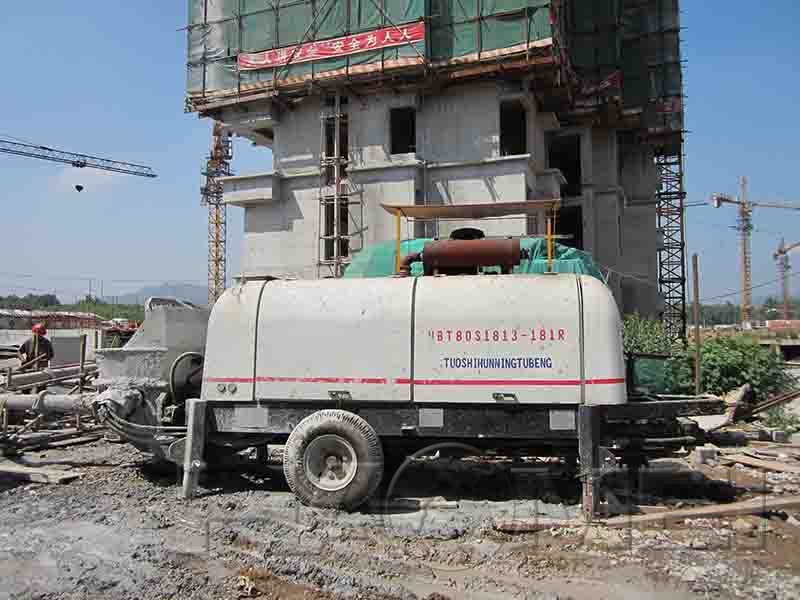
Before comparing models, separate a pump's theoretical output from the output achievable on a real jobsite. Pipe diameter, aggregate size, vertical rise, hose length, mix design, weather, and crew coordination all affect production. A properly specified pump can improve placement consistency, while an oversized unit may add unnecessary fuel, transport, and maintenance expense.
| Question Area | What to Check Before Choosing a Pump |
|---|---|
| Pumping output | Required cubic yards or cubic meters per hour, including realistic jobsite delays |
| Pumping distance | Horizontal line length, vertical rise, bends, reducers, and end-hose length |
| Concrete mix | Aggregate size, slump, admixtures, fiber content, and ready-mix supplier consistency |
| Power source | Diesel availability, electric supply, noise limits, and emissions rules |
| Mobility | Tow vehicle rating, site access, trailer brakes, and setup space |
1. "How far can a tow behind concrete pump actually pump concrete?"
A tow behind concrete pump can move concrete a long distance, but its usable reach is determined by resistance in the pipeline rather than a single advertised number. A straight run on level ground is easier than a route with multiple bends, reducers, vertical sections, or a long flexible hose at the discharge point.
For planning, calculate the entire pipeline route, not just the distance from the pump to the pour. Include the height from ground level to the highest placement point, every elbow, and the final placing hose. Each bend creates additional resistance, especially when the concrete has a low slump or angular aggregate.
A smaller pump may work well for foundations, slabs, retaining walls, and residential work with moderate line lengths. Larger jobs with higher output demands or significant vertical rise typically need a higher-pressure trailer pump. For example, an HBTS40 Towable Concrete Pump may suit projects needing a balance of mobility and pumping capability, provided the line plan and concrete mix are matched to the machine.
Do not select a model based only on maximum horizontal distance. Ask the supplier to evaluate your proposed pipe diameter, vertical rise, expected mix, and desired output rate.
2. "Can a trailer concrete pump handle ready-mix concrete with gravel?"
Yes, most tow behind concrete pumps are intended for ready-mix concrete, but the aggregate size and mix consistency must fit the pump and pipeline. The largest aggregate should be suitable for the pump's valve system and the delivery pipe diameter. A mix that is too dry, poorly graded, or inconsistent can increase pressure, cause blockages, and accelerate wear on wear plates, cutting rings, pistons, and elbows.
Ready-mix concrete intended for pumping should have a workable, cohesive consistency. Excess water is not the best answer to poor pumpability because it can affect strength, segregation, and finishing performance. Instead, coordinate with the concrete producer on aggregate grading, slump range, cementitious materials, and approved admixtures.
Fiber-reinforced concrete requires extra attention. Short synthetic fibers are often manageable when the mix is designed for pumping, but heavy fiber loads or long fibers can affect flow through valves and pipe bends. Tell the pump operator and ready-mix plant about fibers before dispatching the concrete.
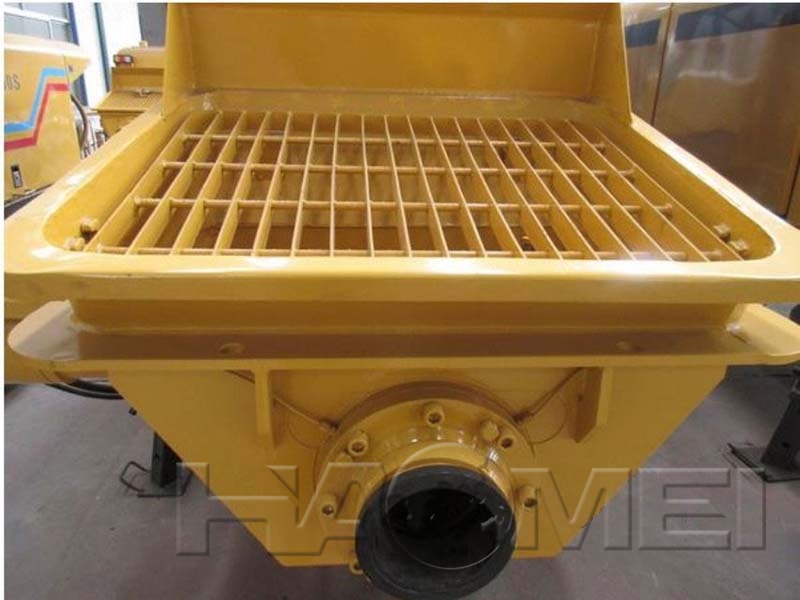
A clean priming procedure also matters. The pipeline should be lubricated before concrete enters it, and the first material should not be discharged into finished work until the flow is stable. This reduces the risk of a dry plug forming near the beginning of the line.
3. "What size tow behind concrete pump do I need for a house foundation or slab?"
Pump size should be based on the pace of the pour, not only the total concrete volume. A 20-yard residential foundation can be placed comfortably with a moderate-output pump if access is limited and the crew finishes steadily. The same volume may need a larger machine when the ready-mix trucks arrive rapidly, the line is long, or the placement window is short.
Estimate the desired placing rate by considering truck arrival intervals, crew capacity, finishing time, and form pressure limits. Pumping faster than the crew can place and consolidate concrete may create cold joints, overfilled forms, or finishing problems. Conversely, an undersized pump can leave trucks waiting and increase the chance of concrete losing workability.
For smaller residential pours, look at a compact Line Pump with enough pressure reserve for the planned route. For larger foundations, commercial slabs, retaining walls, or elevated work, prioritize pressure capability and output stability over the lowest initial machine price.
4. "Is diesel or electric better for a towable concrete pump?"
Diesel power is generally more flexible for undeveloped sites, remote work, and projects without reliable three-phase electricity. It allows the pump to operate independently of the local electrical service, although it produces engine noise, exhaust, and fuel costs.
Electric trailer pumps can be attractive for indoor work, urban projects, tunnels, warehouses, and locations with strict noise or emissions requirements. However, the available power supply must match the motor's voltage, phase, amperage, and startup demand. An undersized generator or unstable supply can interrupt pumping and create avoidable downtime.
Compare the full operating environment before choosing. If the machine will move frequently among new sites, diesel often offers simpler deployment. If it will work repeatedly at one facility with dependable electrical service, electric operation may reduce local emissions and day-to-day fuel handling.
5. "What does it cost to operate and maintain a trailer concrete pump?"
Operating cost includes more than fuel or electricity. Plan for delivery pipeline, pipe clamps, elbows, rubber hoses, piston cups, wear plates, cutting rings, hydraulic oil, filters, grease, cleaning water, and labor for washout. High-pressure pumping through long or complex lines can increase wear, particularly at elbows and reducers.
Daily cleaning is one of the most important cost-control practices. Concrete left in the hopper, valve housing, or pipeline can harden and create expensive repairs. After every pour, clean the hopper, pump system, and line using the manufacturer's approved procedure. Inspect pipe wall thickness and couplings regularly because worn pipeline components can become a serious safety risk under pressure.
Ask for a maintenance schedule with service intervals, recommended lubricants, replacement-part availability, and expected wear items for your target output range. A machine with accessible service points and locally available parts can be more economical over time than a lower-priced pump that is difficult to maintain.
Original source: https://www.concrete-pump-cn.com/a/tow-behind-concrete-pump.html
Tags: tow behind concrete pump, trailer concrete pump, concrete line pump, towable concrete pump,
Previous: Truck Mounted Concrete Pump
Next: