

 feedom@haomei-machinery.com
Concrete Mixing Pump
Posted On: 03/03/2026 | Posted by: Haomei Concrete Pumps
A concrete mixing pump combines batching, mixing, and pumping so fresh concrete can be produced on-site and delivered through a pipeline to the pour point. It is commonly used when access is tight, labor is limited, or you want steady placement without relying on ready-mix truck cycles. Choosing the right configuration depends on mix design, required output, pumping distance, and how often the machine will be relocated.
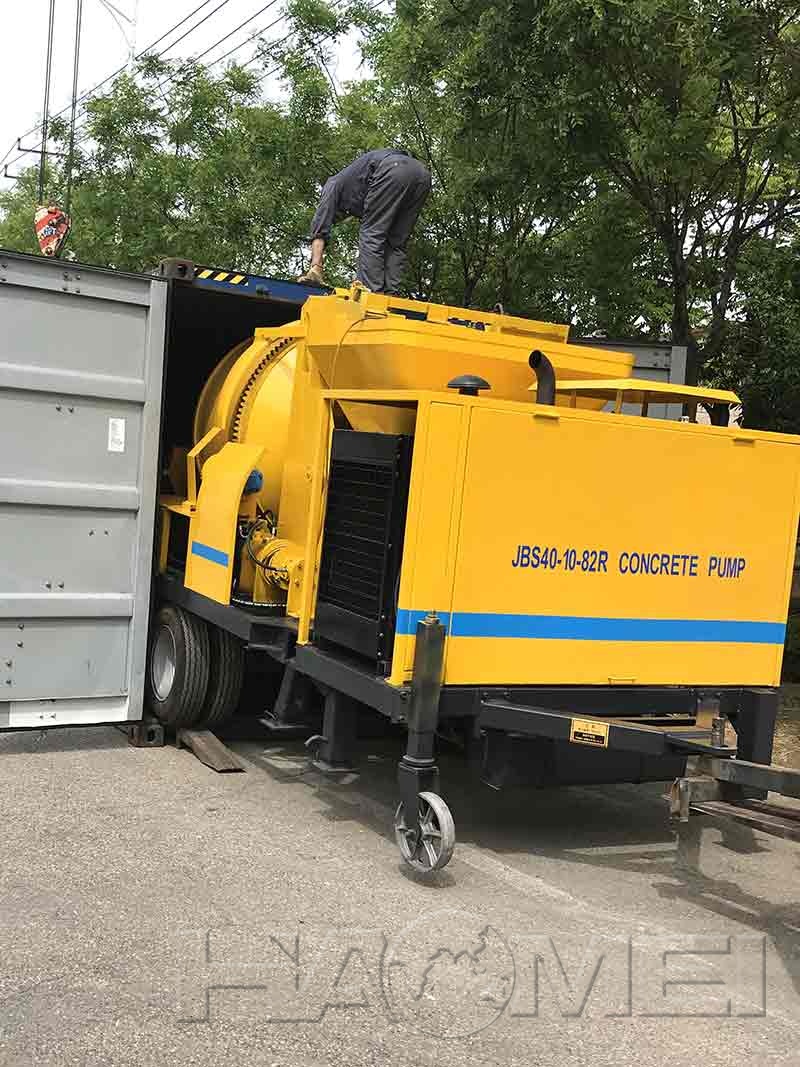
How the Equipment Works and What It Does Well
At a practical level, the machine loads aggregate and cementitious material into a mixing drum or pan, adds water, then feeds mixed concrete into a pumping system. The pump pushes material through steel pipe or rubber hose to the placing location. Compared with a separate mixer plus pump setup, an integrated unit can reduce handling steps and keep a more consistent rhythm, especially on small to mid-size pours.
Strengths you can expect from this equipment class:
On-site mixing supports short lead times and helps when ready-mix delivery is unreliable.
Pumping reduces rehandling and speeds placement on multi-story structures or long foundations.
A controlled feed can improve continuity for slabs, beams, and columns when the crew is sized correctly.
Limits to plan for:
Pumpability still depends on mix design, especially aggregate size, grading, and slump. A harsh mix can block pipelines.
Output is constrained by both mixing capacity and pump displacement. The slower subsystem sets the real production rate.
Cleaning and wear management are critical, particularly in the S-valve, delivery cylinder, and pipeline bends.
Main Types and Where Each Fits
There are several common variants. Selecting among them is less about brand labels and more about matching your job constraints.
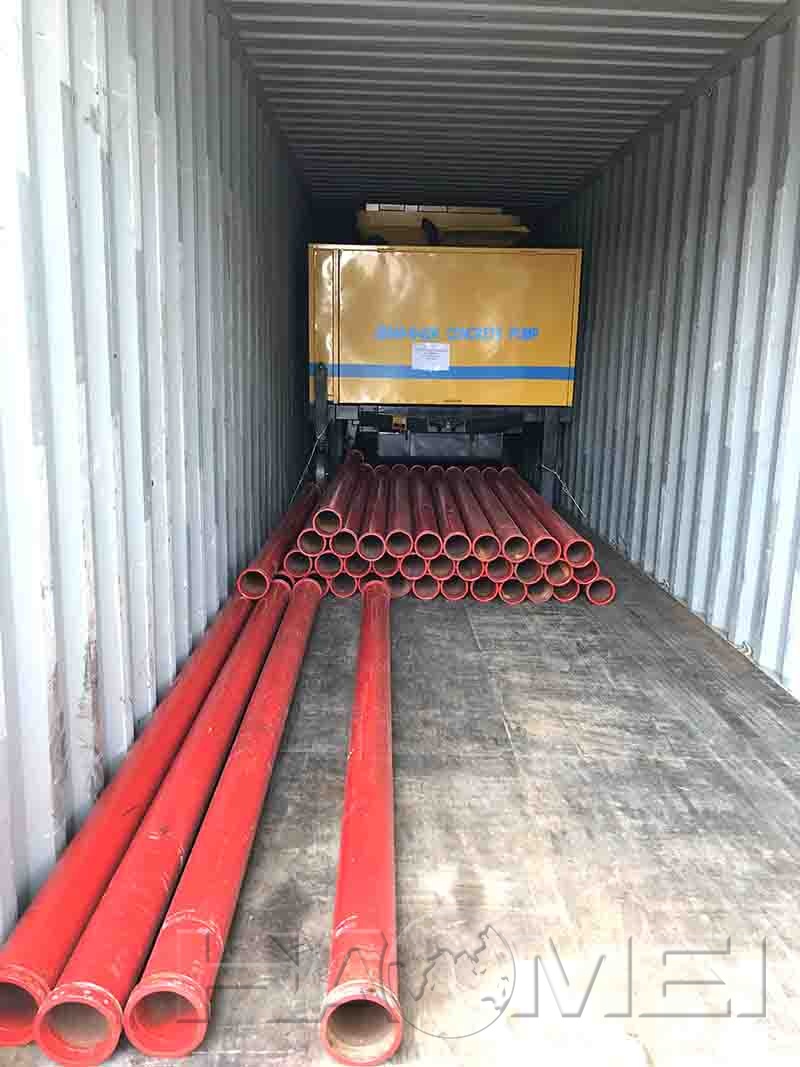
Mixing system: drum vs pan
Drum mixing is widely used for general construction. It is simple, tolerant of variable loading, and usually easier to maintain.
Pan mixing can produce more uniform mixes for certain materials, but may be less forgiving of inconsistent feeding and can require closer operator attention.
Pumping system: piston vs rotor
Piston pumps are typical for structural concrete and longer pumping distances. They handle higher pressure and broader jobsite demands.
Rotor pumps are often used for mortar or fine mixes. They can be efficient for specific applications, but are generally less suited to coarse aggregate structural concrete.
Mobility: trailer, skid, or truck-mounted
Trailer-mounted units are common for residential and light commercial work. They tow easily and work well when you reposition around a site.
Skid-mounted units suit plants or sites where the equipment stays in one zone.
Truck-mounted solutions favor high utilization and frequent moves, but cost and access requirements increase.
If your projects frequently involve repositioning and quick setup, a trailer format such as a Concrete Mixer Pump Trailer is often a practical match. For confined residential work, a compact option like a Mini Concrete Mixer with Pump can be easier to maneuver while still providing pipeline delivery.
Specs That Matter Most When Choosing a Model
Specifications can be confusing because brochures may list theoretical output. Focus on job-relevant parameters and ask how they are measured.
Performance and placement targets
Output capacity: Think in terms of continuous, achievable delivery for your mix and crew. If your finishing team can place and finish 15 to 25 m3/h, oversizing the machine may not help.
Maximum pumping pressure: Higher pressure typically supports longer horizontal runs, more vertical lift, and tougher mixes.
Max aggregate size: This must align with pipeline diameter and the pump valve system. As a rule, larger aggregate needs larger line size and smoother routing.
Mix and pipeline compatibility
Slump and grading: Pumping needs a cohesive mix. Too dry increases blockage risk, too wet increases segregation risk.
Pipeline diameter and routing: Every bend, reducer, and long hose section adds resistance. Plan the line before selecting the pump.
Power and operating environment
Diesel: Often preferred for remote sites without stable power.
Electric: Can be ideal for urban projects with power access and noise or emissions constraints.
Serviceability and downtime control
Wear parts: Delivery pipes, elbows, cutting rings, and wear plates are consumables. Availability and replacement time affect real cost.
Cleaning method: Fast washout access and clear procedures reduce end-of-day risk.
Quick comparison table
| Project condition | Recommended configuration | Why it fits |
|---|---|---|
| Small residential slabs, short pipeline, tight access | Compact trailer unit, drum mix | Easy maneuvering, simple operation, adequate output |
| Multi-story small commercial, moderate vertical lift | Piston pump with higher pressure rating | Better for vertical pumping and longer lines |
| Remote rural work, no reliable grid power | Diesel-powered trailer unit | Independent power and flexible relocation |
| Mortar or fine grout applications | Rotor pump system with suitable mixer | Efficient for fine materials and steady flow |
| High-frequency moves between sites | Trailer or truck-mounted depending on utilization | Faster mobilization and predictable setup |
Practical selection checklist for your next project
Estimate daily placed volume and required placing rate, then size for continuous output, not peak numbers.
Confirm your maximum aggregate size and specify pipeline diameter accordingly.
Map the pipeline: total length, vertical rise, number of bends, and hose sections.
Decide on diesel vs electric based on site power, noise limits, and ventilation.
Plan washout and maintenance: water access, disposal rules, and spare wear parts.
Used correctly, this equipment category can streamline small and medium pours by keeping mixing and delivery in one workflow, as long as the mix design and pipeline layout are matched to the pump capability.
Original source: https://www.concrete-pump-cn.com/a/concrete-mixing-pump-2026-03-03.html
Tags: concrete mixing pump, concrete mixer with pump,
Previous: Concrete Mixer Machine With Pump
Next: Small Concrete Pump Truck