

 feedom@haomei-machinery.com
36 Meter Concrete Pump
Posted On: 04/02/2026 | Posted by: Haomei Concrete Pumps
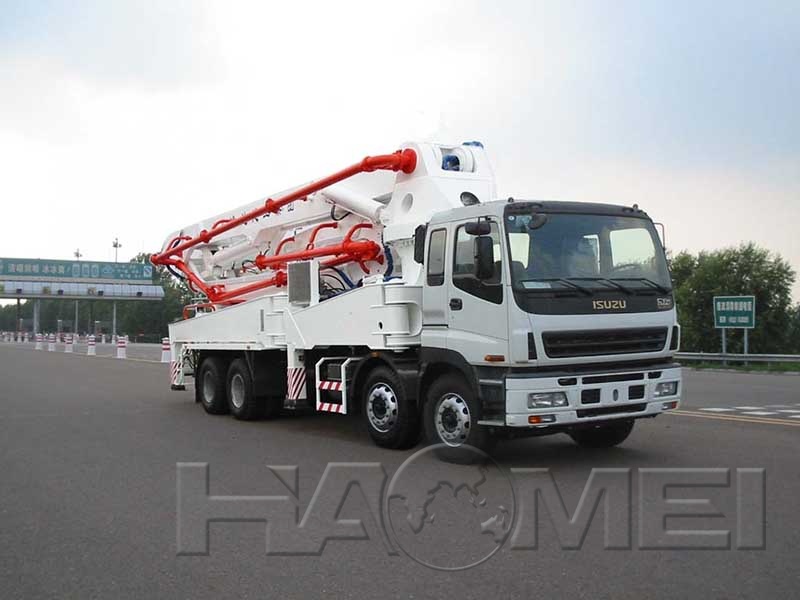
A 36 meter concrete pump truck is often selected when a project needs reliable mid range placing height without stepping up to larger, heavier long boom machines. It can cover many mid rise pours, extend over typical site obstacles, and maintain steady output when matched with the right mix design and pipeline plan.
What A 36 m Class Boom Pump Can Do
A 36 m class boom is designed to place concrete at a practical working height while still being manageable in tighter city sites than larger units. Actual vertical reach, horizontal reach, and end hose positioning depend on boom geometry, outrigger spread, and how the boom is folded. In practice, this size is commonly used for building frames, podium slabs, warehouse columns, retaining walls, and medium bridge works where a line pump would require more labor and pipe handling.
Typical jobsite strengths
Balanced reach: Enough boom to get over one or two levels of formwork or over a setback, while staying easier to position than a 45 m plus unit.
Faster placing cycles: Truck mounted boom delivery reduces pipe moves compared with long ground lines.
Versatility: Works on slabs, walls, columns, and elevated decks when the setup area is planned.
Constraints to plan for
Setup footprint: Outriggers require a stable, level bearing area. Soft fill, underground voids, or basements near the setup zone may require mats and an engineered bearing check.
Access and turning: The chassis must enter, position, and exit without conflict with rebar cages, scaffolding, or overhead utilities.
Concrete quality: Pumpability depends on mix design, aggregate size, slump, admixtures, and temperature. Always follow local standards and your ready mix supplier recommendations.
If you are comparing configurations across boom sizes, the product category page for Boom Pump options can help you benchmark where this boom class sits in a lineup.
Key Characteristics That Affect Selection
The boom length is only one part of performance. When choosing a pump truck in this range, contractors usually evaluate boom type, pumping unit capability, stabilization, and service support.
Boom geometry and placement control
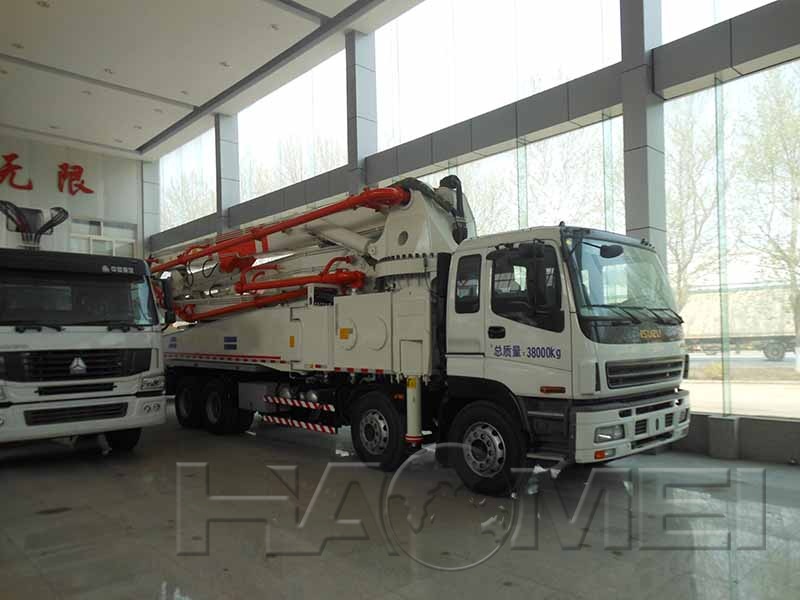
Booms are typically built in multiple sections with either R fold or Z fold patterns depending on manufacturer design. Geometry impacts how well the tip hose can work close to the truck, reach into courtyards, or place behind the setup position. Ask for working range diagrams for the exact model, because two machines with the same boom length can behave differently in real placements.
Pumping unit and output matching
Output is usually expressed as theoretical maximum. Real site output is lower due to line conditions, elevation, mix friction, and cycle time. For most mid rise and commercial pours, the goal is consistent flow without segregation. Consider:
Max pressure versus volume: Higher pressure helps with longer lines or higher vertical rise, while higher volume favors large slab pours.
Hopper and valve type: Components influence wear behavior and suitability for certain mixes.
Line diameter plan: Common jobsite practice uses 5 in lines for high volume and 4 in where routing is tight, but final selection should follow engineering and supplier recommendations.
Stability and outriggers
Outrigger style and spread directly affect where the truck can safely set up. Confirm:
Minimum outrigger extension modes, if available.
Whether the site allows full spread.
Ground bearing pressure expectations and mat sizing.
Serviceability and parts
Downtime is expensive, so verify wear parts availability and routine maintenance access. For fleet operators and service teams, having replacement components ready can reduce delays, and Concrete Pum Truck Parts in Stock is relevant when planning support for high utilization equipment.
Comparing Equipment Options For Common Projects
The table below uses typical selection logic rather than fixed specifications, because exact numbers vary by manufacturer, chassis, and regional compliance requirements.
| Project scenario | Why a 36 m class is a good fit | When to consider another option |
|---|---|---|
| 8 to 12 story residential frame | Adequate height and reach, manageable setup footprint | If the building footprint is deep or requires long horizontal reach, step up to a longer boom |
| Commercial slabs and podium decks | Fast placement with fewer line moves, good hose control | For very large continuous pours, prioritize high volume units or add a second pump |
| Tight urban streets with limited setup | Mid size boom can be easier to position than larger trucks | If outrigger space is highly constrained, consider a smaller boom or a separate placing boom with line pump |
| Small bridges and retaining structures | Good reach over formwork and barriers | If access is remote and roads are narrow, a lighter solution or line pump may mobilize easier |
Practical checklist before you commit
Site access and setup: Confirm turning radius, overhead clearance, and outrigger bearing capacity.
Placement plan: Review boom range diagram, pour sequence, and where the truck can reposition if needed.
Mix and pumping plan: Align slump, aggregate grading, and admixtures with pumpability best practices recognized by your local concrete standards and supplier.
Utilization and support: Consider how many hours per month you expect to run and whether wear parts and service can be supported locally.
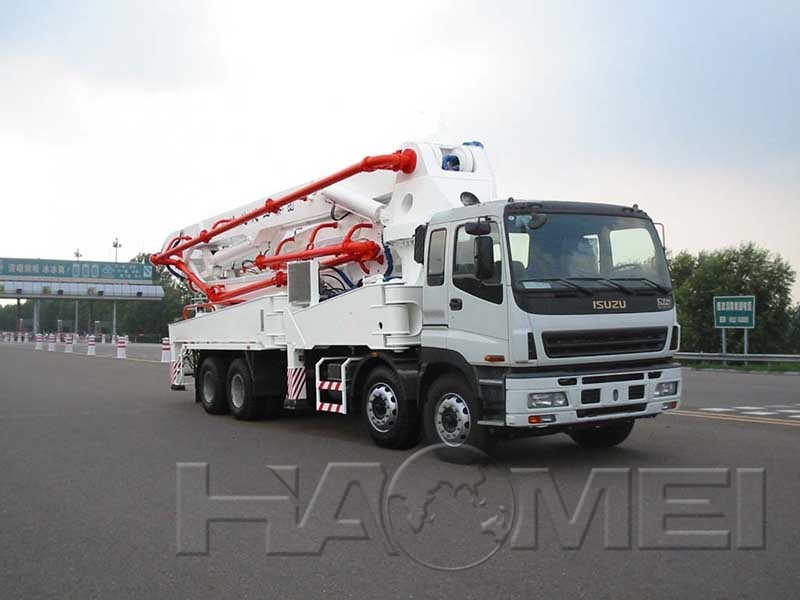
A well matched 36 m class boom pump can reduce labor handling, speed up cycle times, and improve placement control, especially on mid rise structures. The best results usually come from treating boom reach, stabilization, mix design, and service planning as one integrated decision rather than choosing by boom length alone.
Original source: https://www.concrete-pump-cn.com/a/36-meter-concrete-pump.html
Tags: 36 meter concrete pump, 36m pump truck,
Previous: Why Is Diesel Concrete Pump Trailer More Popular?
Next: Concrete Boom Pump For Sale